
The Puppy Club Hub

Information, training tips and lots more........
Information, training tips and lots more........
Your puppy is entering a transitional phase. Behaviour may become less predictable as adolescence begins…….

What to expect at this stage…
At this stage, your puppy is moving from early development into adolescence. This is a period of rapid physical growth alongside noticeable changes in behaviour, as confidence increases and boundaries are naturally tested. Consistency, patience, and ongoing guidance are key to helping your puppy navigate this phase and develop into a well-adjusted adult dog.
Socialisation & Life Skills
Socialisation doesn’t stop after early puppyhood. Continue exposing your puppy to a variety of people, dogs, environments, sounds, and handling experiences in a positive and controlled way. Good experiences now help build resilience and confidence long term.
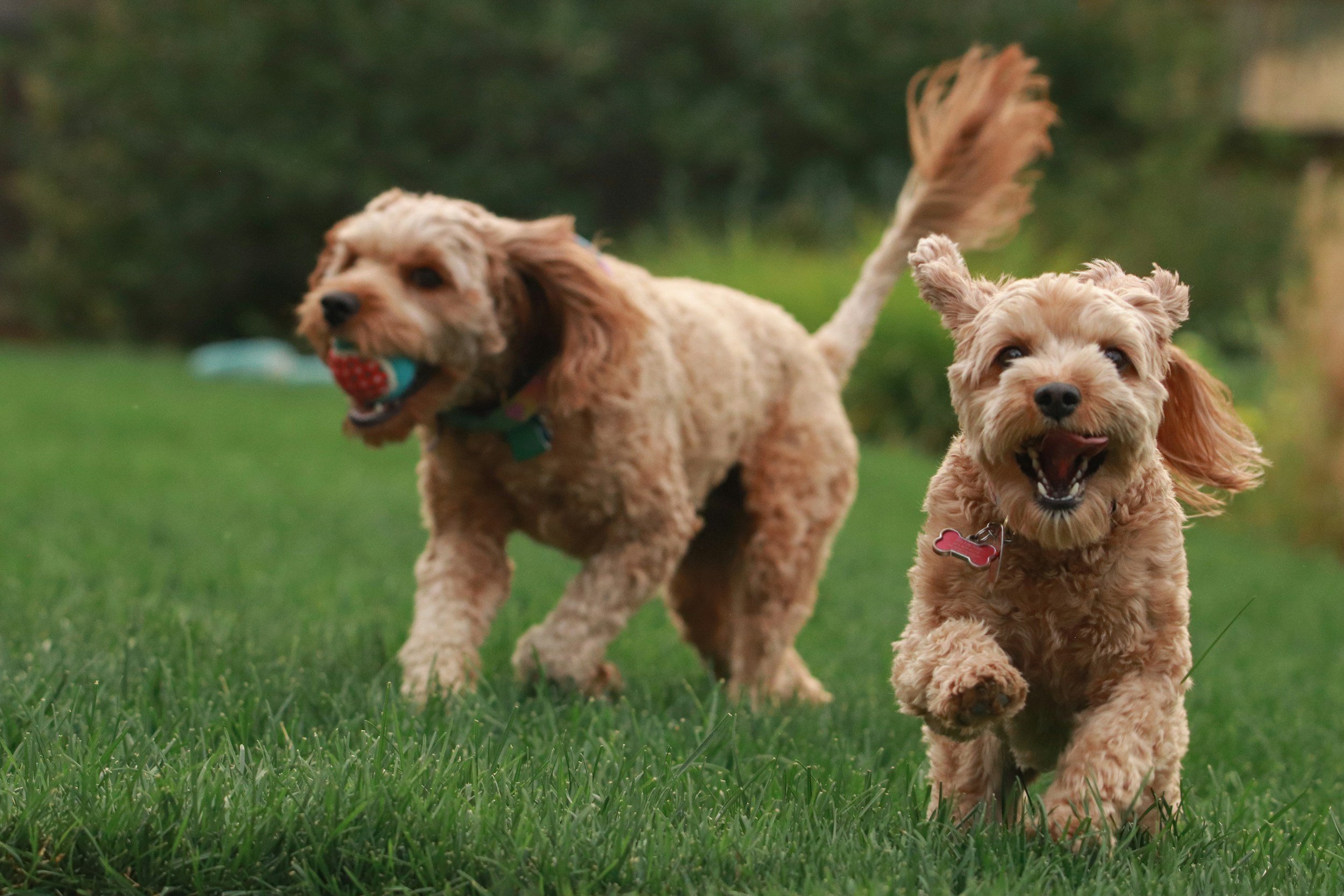
Sound Desensitisation & Confidence Building
Continue helping your puppy build confidence with everyday sounds such as traffic, household noises, fireworks recordings, and visitors. Keep experiences positive and gradual, and avoid overwhelming situations.
The goal at this stage is to maintain calm, neutral responses to new or familiar sounds and prevent the development of noise sensitivities as your puppy matures into adolescence.
Trusted resources such as Dogs Trust offer helpful guidance on safe sound desensitisation at home.
Please click on the link below to the dogs trust for more information

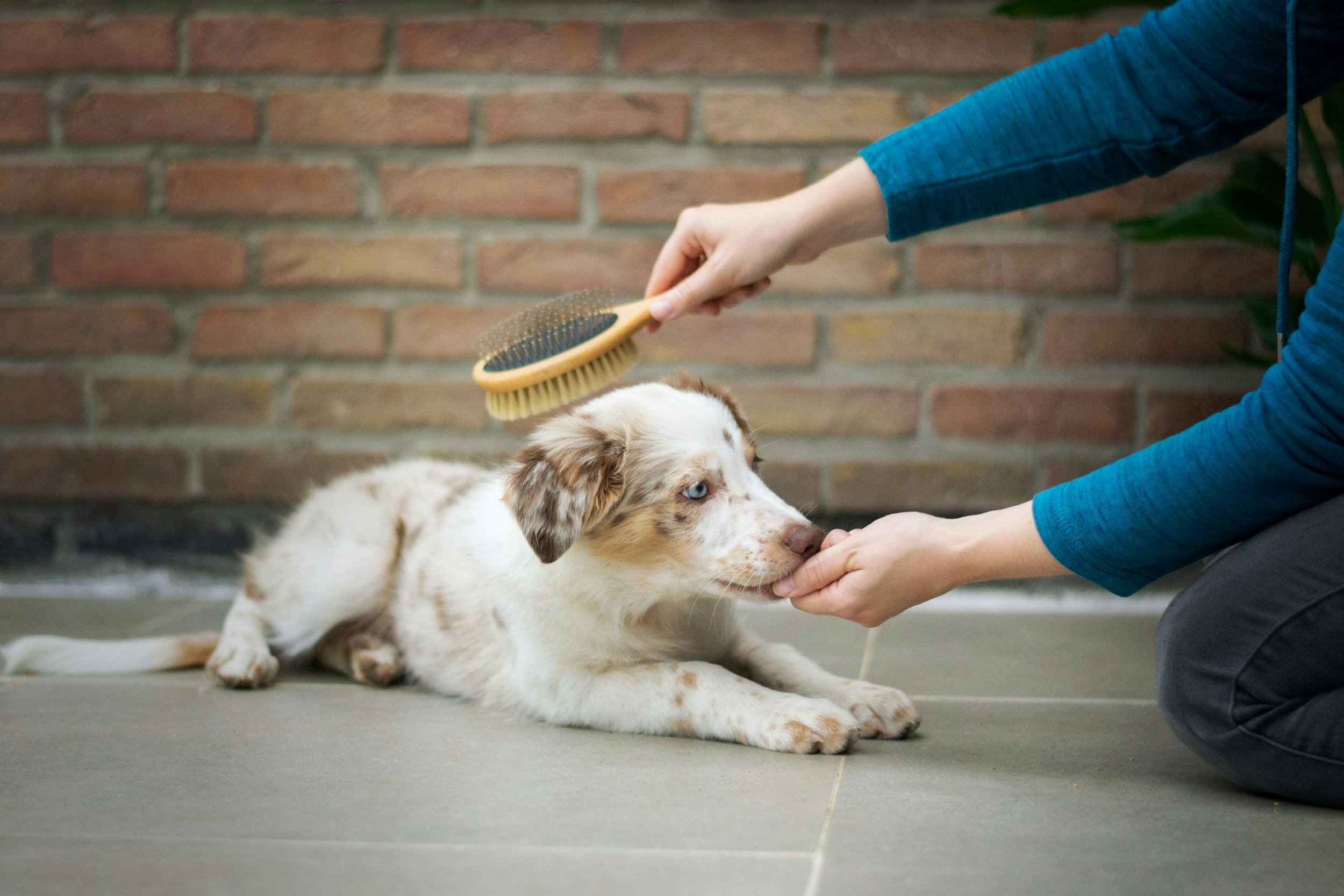
Handling & Grooming Confidence
Training
Puppy fun fact
Training isn’t just about cues like sit and stay — it also includes helping your puppy feel comfortable being handled. Building positive experiences now will make everyday care, grooming, and future vet visits much easier for both you and your dog.
At this stage, continue gently practising being touched all over the body, including paws, ears, mouth, tail, and around the face. Pair handling with calm praise and rewards so your puppy learns it is a normal and safe part of life.
You can also start introducing simple grooming routines such as brushing and brief checks at home. Short, positive sessions are more effective than long ones.
This early preparation helps reduce stress during examinations and allows your puppy to become more relaxed and cooperative in the veterinary environment as they grow.
Adolescent puppies can temporarily “forget” cues they previously knew well. This is a normal part of development, not stubbornness — consistency is key.
Checklist
-
Make sure you get your next visit, get weighed and wormed
-
Make sure you sign up to the health plan, so you can spread the cost of your vaccinations and parasite treatment, along with getting 12 free consultation per year.
-
Sign up to to the 5 weeks free insurance, ask reception for details or check out our insurance page on this website. You will get a quote to take out full insurance which enables you to get the best veterinary care without financial worry.
-
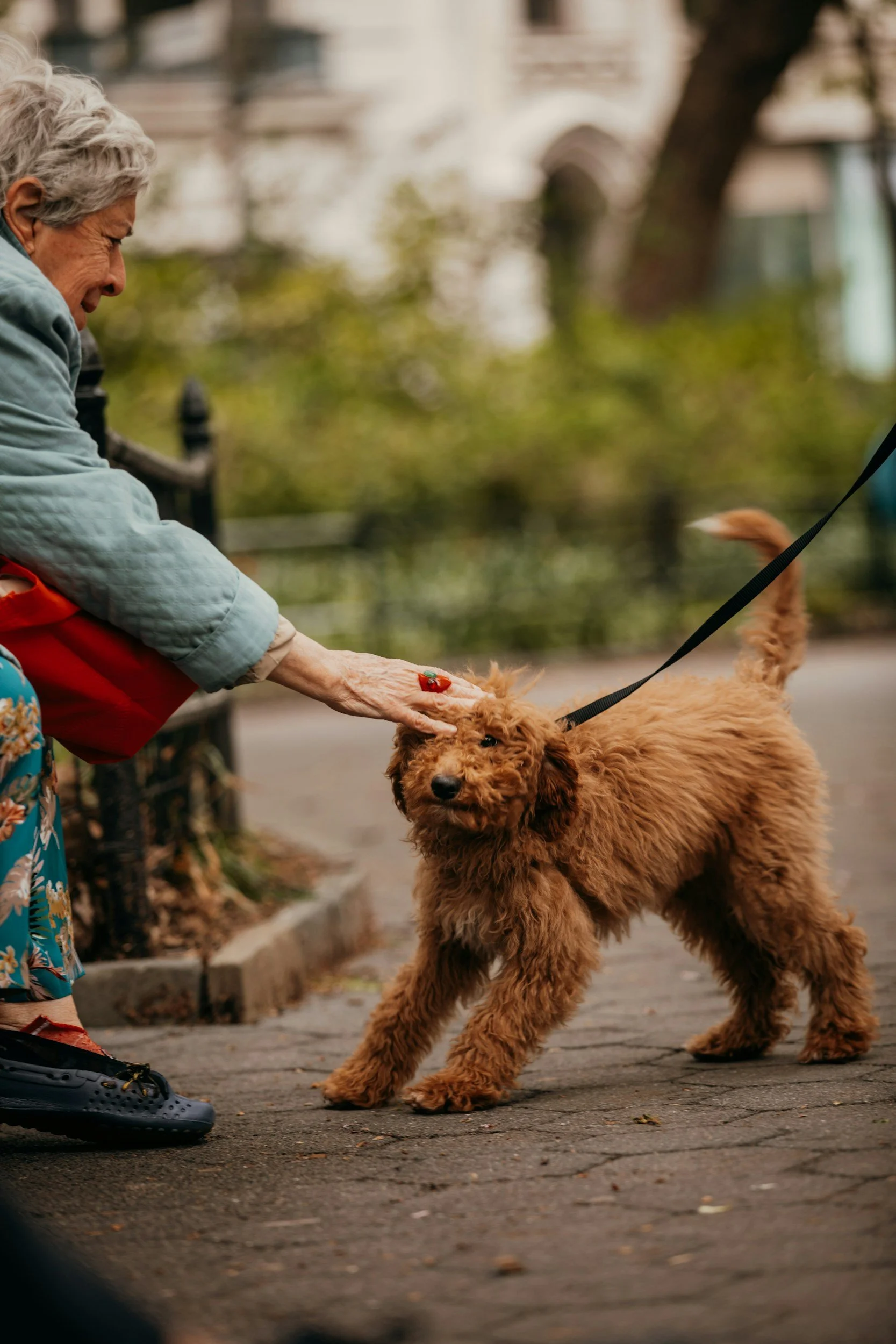
Continue your training, use the links above to help with certain sounds, build confidence by meeting other dogs and people.