
For when the time comes to say goodbye
Help, guidance and support
Saying Goodbye
Making an appointment can be especially difficult if you are unsure that the time is right to say goodbye. Our vets and nurses can help you make a decision whether that be on the phone or in person. To know when to say goodbye is hard but measuring your pets quality of life can help us decide on “the right time”.
In basic terms it means asking “ Is my pet able to do things that make him/her happy?” and “Are they having more bad than good days?”.
Understanding Grief
Some people view the loss of their pet pragmatically and move on quite quickly, others experience a deeper loss that can affect how they cope with everyday things.
Every relationship between pet and owner is unique and emotions vary from one person to the next.
There is no right or wrong way to feel and you should not feel pressured to “get over it” or “get on”. Grieving is a very natural process and for some it can take hours or days others it could be months or even years.
Grief can follow a pattern of feelings from sadness to anger and then guilt to denial. These stages are normal but it is how we deal with them that is important.
Quality of Life
Your vet or nurse might ask you to consider other factors such as:
Is your pet in pain or discomfort
How is their appetite
Your pets demeanour
Their level of mobility
Urinary or faecal incontinence
Euthanasia literally means “good death”. Although we don’t feel our pets dying is a good thing, sometimes the best gift to give your pet is to make their passing as pain free and peaceful as possible. This might come sooner than you expected it to but its important its not too late for your pet.
Once you have made your decision we can arrange an appointment for a day that is suitable for you. We offer appointments at the practice but can also accommodate home visit euthanasia's if you would prefer.
Understanding the Euthanasia Procedure
Choosing to stay with your pet during the appointment is a personal decision. If you feel able to, it may give your pet comfort that you are with them and may provide peace to you in the long term.
If you do not feel able to stay, that’s okay too. There is no judgement on this, be assured our veterinary nurses will assist the vet with gently holding and comforting your pet as they go to sleep.
Sometimes we might recommend a sedative injection is given to your pet to help them relax before the final injection is given. Not every pet will be able to have a sedative for clinical reasons however if it is something you would like, don’t be afraid to discuss this with your vet.
Clipping and Catheter placement
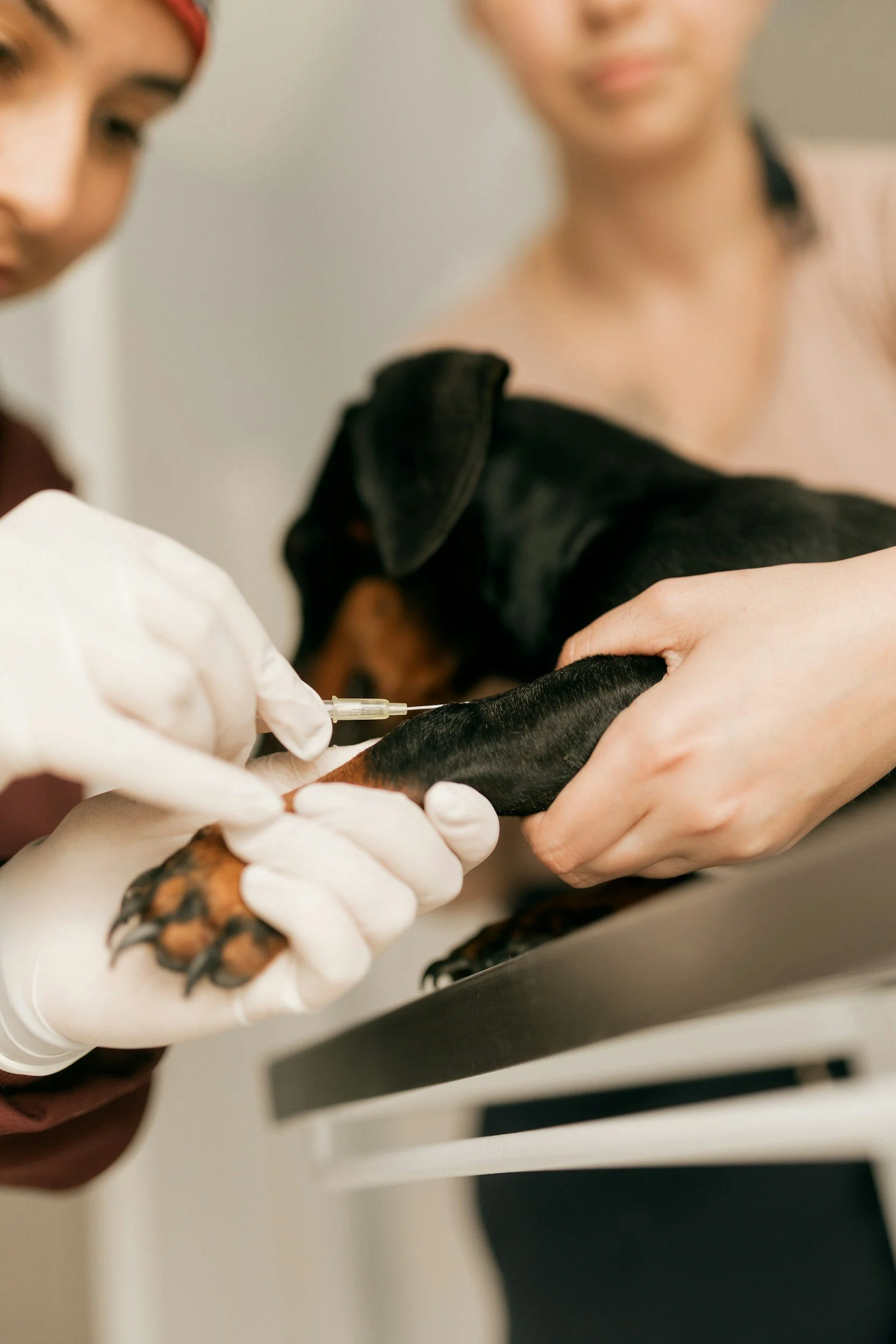
To administer the euthanasia injection we need intravenous access in a leg. This can sometimes mean we have to place an intravenous catheter, this is usually in a front leg however sometimes we may use a hind leg.
The Vet may take your pet to the prep room or if a Nurse is available they may enter the consult room with the Vet to assist.
The Nurse will hold your pet whilst the leg is shaved with clippers and then raise the vein for the Vet to place the catheter. Once it is taped in place you can then hold and cuddle your pet if you wish to.
Euthanasia Injection
The euthanasia injection is a painless concentrated dose of anaesthetic injected into the cannula so your pet will peacefully fall asleep and then pass away.
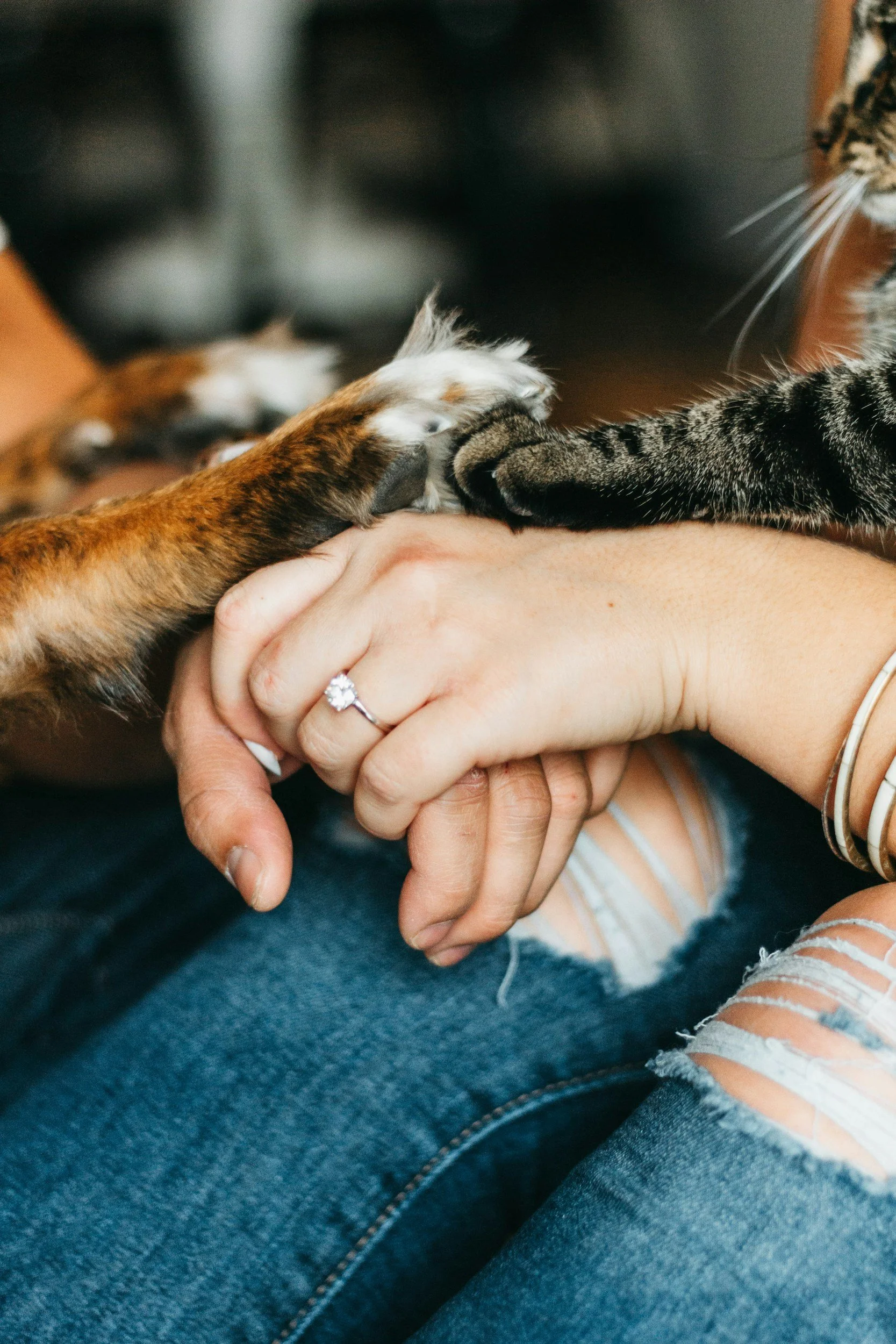
This usually happens very quickly often less than a minute so before giving the injection the Vet will confirm you are ready and if you wish to hold your pets paw or body in their final moments as they pass away.
Afterwards your Vet will use a stethoscope to confirm their heart has stopped.
After the Injection
Very often, after your pet has passed away, their body can have various muscular contractions. These are post– death reflexes but if you aren't prepared for them it can look like your pet is alive.
They may gasp or take a few breaths, this is a natural body reflex which your pet is no longer aware is happening. Sometimes they may also empty their bowls and bladder.
Spending time with your pet afterwards is possible if you wish to. Please take their lead or collar if you would like to or it can stay with them.
If you have chosen to have your pet cremated the Vet and Nurse will arrange this for you. They will gently wrap your pets body up to be taken into cold storage. You do not have to stay at this point and most owners will leave when their pet is at peace.
If you have opted for a home visit the Vet and Nurse will take your pet back to the practice in their car or if you wish for more time with your pet you can bring them to the practice yourself.
If you have opted for a home burial the Vets and Nurses can assist you to your car after your appointment.
Aftercare Options
There are a few options following your pets passing. If you can, it’s best to explore these options in advance. This will give you a chance to reflect on what you truly want and not have to make a hasty decision when you are feeling upset.
Sometimes people request a clipping of fur. If this is something you would like please ask the Vet and we can arrange that for you.
At Belle Vue Vet we like to send condolence cards to our clients following a loss of a pet as we understand how sometimes even the littlest of things can help during a difficult time
In these cards our Nurses include an ink paw print of your pet for you to keep as a memento.
Home Burial
After the euthanasia you may wish to bury your pet in the garden at home. Some people plant a small bush or plant to mark their grave or others may wish to have a headstone or nothing at all. If you do decide on a home burial it is important to consider:
A deep grave of 1.25m
Avoid electrical cables or water courses
Wrap them in a bio-degradable material.
Cremation
At the practice we can organise for your pet to be cremated. The crematorium we use is in East Bolden, Tyne & Wear and they operate a collection service here at the practice.
You can choose from either communal or individual cremation.
Communal cremation means your pet is cremated alongside other pets and there is no separation of the ashes . The crematorium then scatters the ashes in their own garden of remembrance for a respectful disposal.
Individual cremation.
At the crematorium this is done in single chambers, this means one pet per chamber and so your pets ashes can be carefully collected and returned to you in a casket, urn or tribute of your choice. There can be a 1-2 week wait for your pets ashes to be returned to the practice. Once they are with us , one of the team will call to let you know you.
Some people choose to keep their ashes at home and close to them, however others choose to scatter their pets ashes or bury them once they are cremated. This is very much an individual choice. Above and below are some examples of the types of products available from the crematorium.
A full product book is available from Reception.
Prices

The loss of a pet is distressing and sometimes it helps to share your feelings with someone who understands, below are some resources available.
Counselling and Online Support
British Association for Counselling and Psychotherapy
01455 883300 / www.itsgoodtotalk.org.uk
Dawn Murray, Living with Pet Bereavement
0845 46 55 999 / www.livingwithpetbereavement.com
Counselling Directory
www.counselling-directory.org.uk/counsellor-articles/pet-loss-and-bereavement-counselling
The Ralph Site
The Pet Bereavement Support Service (run by the Blue Cross)
0800 096 6606 / www.bluecross.org.uk/pet-loss
Compassion Understood
Pet loss Support Online Surgery
www.scas.org.uk/human-animal-bond/coping-with-pet-loss/the-pet-loss-support-online-surgery/
-
Euthanasia small furry £25
Euthanasia cat £45
Euthanasia Dog £60
-
Home Burial £0
Communal cremation £20-£70 (depending on size)
Individual cremation £110-£220(depending on choice)
-
Sedation if required: £30-£60 depending on drug dose
Home visit during working hours £60
Out of hour fees £120-£200 depending on time of day